Starters, Movers & Flyers, explained
What's actually tested at each level, so you know exactly what your child is working towards — no surprises, nothing sprung on the day.
← Back to Cambridge Young Learners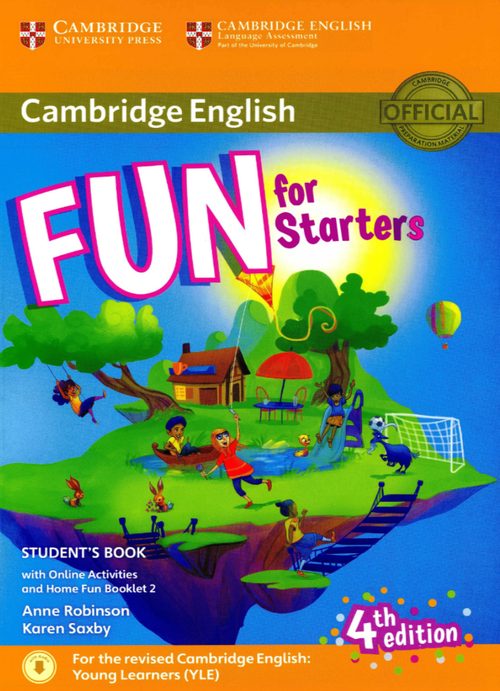
Starters
🗓️ Typically around a school year of weekly lessons, as a guide- Listening
- Match names to a scene, write a short answer from a conversation, choose the right picture, colour objects as they're named — each recording is played twice.
- Reading & Writing
- True/false picture sentences, yes/no questions about a big picture, a word to unscramble, simple gap-fills, one-word answers about a short picture story.
- Speaking
- A relaxed one-to-one chat with a friendly examiner — following instructions, describing objects, and a few simple personal questions (name, age, family).
What it covers: everyday, concrete topics — family and friends, the body, clothes, colours, food, home, school things, numbers, days, toys and animals. Nothing abstract — everything a 7–8 year old can point to or picture.
What a lesson feels like
Games, not worksheets — show-and-tell from a real family photo, colours called out as a game before they're ever heard on a recording, "show me your room" chats that teach vocabulary through real conversation.
How the exam format is introduced
Only once your child already knows the topics well — a relaxed "let's see what this looks like" run-through near the end, never timed, never used to correct beyond genuine misunderstanding.
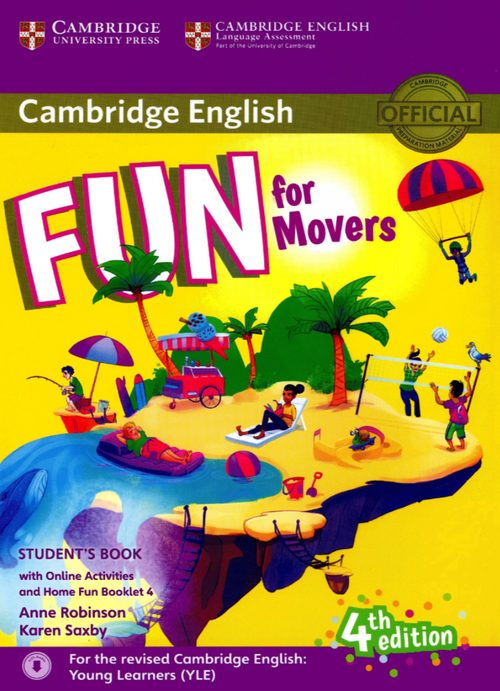
Movers
🗓️ Typically around a school year of weekly lessons, as a guide- Listening
- Matching names via a fuller conversation, writing a missing word or number, matching pictures from dialogue, following instructions to colour and write.
- Reading & Writing
- Matching definitions to words, choosing the right reply in a conversation, gap-fills, and — new at this level — a short free-writing task of their own.
- Speaking
- Describing differences between two pictures, continuing a short story from a picture sequence, and more open personal questions.
What it covers: builds on everything from Starters, plus jobs, weather, places and directions, travel, sports, daily routines and feelings — a step from concrete, picturable words towards slightly more abstract ideas.
What a lesson feels like
Spot-the-difference with real photos, "guess the job" charades instead of vocabulary lists, trip-planning chats ("if we went on holiday, where would we go?") that bring the future tense in naturally rather than as a grammar drill.
The step up from Starters
Movers asks a child to compare and explain — genuinely new task types, not just harder versions of Starters ones — so lessons lean more on real conversation to build that confidently.
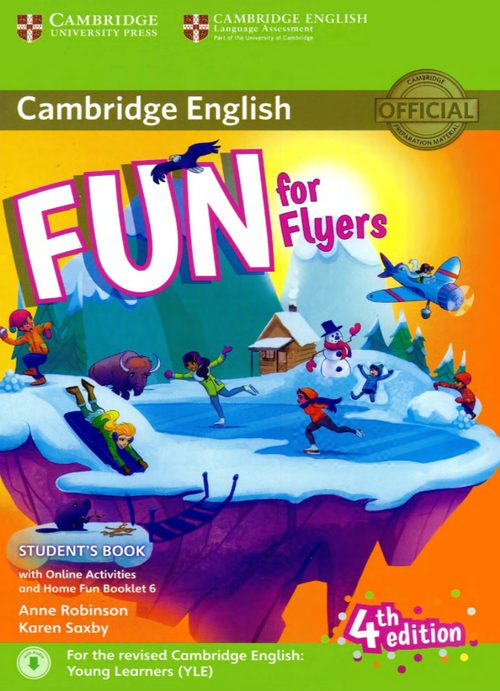
Flyers
🗓️ Typically around 16 weeks for a child already comfortable at Movers level, as a guide- Format
- Listening, Reading & Writing, and Speaking, in the same friendly style as Starters and Movers — just the hardest version of it, assuming roughly 250 hours of prior English.
What it covers: everyday-object topics in more depth — home, school, personal information, numbers up to 100 — expanding into animals, clothes, weather, food, hobbies, and places and directions.
What a lesson feels like
Real video clips (paused for a quick "what did you see?" game), sample exam sections worked through together conversationally rather than drilled — deliberately kept away from worksheet mode even as the material gets more exam-shaped.
Confidence, not just content
Because so much is often already familiar by this stage, the real focus is confident recall under a little light time pressure — ending with a relaxed mock paper framed entirely as "let's see your shields."
Common questions
Which level is right for my child?
Age is the main guide — Starters suits around 7–8, Movers around 8–11, Flyers around 9–12 — but it's really about where your child's English is now, not just their age. The free trial lesson is the easiest way to find out together.
Does my child need any exam experience already?
No. These are designed as many children's very first experience of a structured exam — that's exactly why they're built to be low-pressure and forgiving.
What if they don't earn many shields?
There's no fail at any of these levels — every child who sits the exam receives a certificate. Shields are simply a way to show progress, never a comparison against other children.
Is there work to do outside lessons?
Eleanor sends a short weekly note covering the key grammar and vocabulary from each lesson, so you can see progress as it happens — see the Cambridge Young Learners page for how that works alongside a learning contract for under-18 learners.
What comes after Flyers?
For families who want to go further, Starters through Flyers builds a genuine foundation for B2 First or C1 Advanced later — but that's always a separate, later decision, taken only once it's right for your child.
No pass or fail at any of these levels
Every child who sits Starters, Movers or Flyers receives a certificate — the only question is how many shields they earn along the way. It's a genuine milestone worth celebrating, whatever the result.
Book a free trial lesson